
Analysis of Grain and Oilseed Exports from Ukraine and Moldova Amidst Ongoing Conflict
Introduction
The agricultural sectors of Ukraine and Moldova have been significantly impacted by the ongoing conflict, affecting the production and export of key commodities such as grains and oilseeds. This report examines the current state of grain and soybean exports from these countries, analyzes industry developments, and provides an outlook for the remainder of 2025.
Overview of Grain and Oilseed Exports
Ukraine's Grain and Oilseed Production and Exports
Production Estimates: In the 2023-24 marketing year, Ukraine's total grain production is estimated at 60.1 million tonnes, a substantial increase from the previous year's 54.6 million tonnes. This includes 23 million tonnes of wheat, 31 million tonnes of corn, and 6.1 million tonnes of barley.
Export Projections: For the 2024-25 marketing year, exports are expected to decrease due to reduced production and smaller planted areas. Wheat exports are projected at 13.7 million tonnes, corn at 21.8 million tonnes, and barley at 2.3 million tonnes.
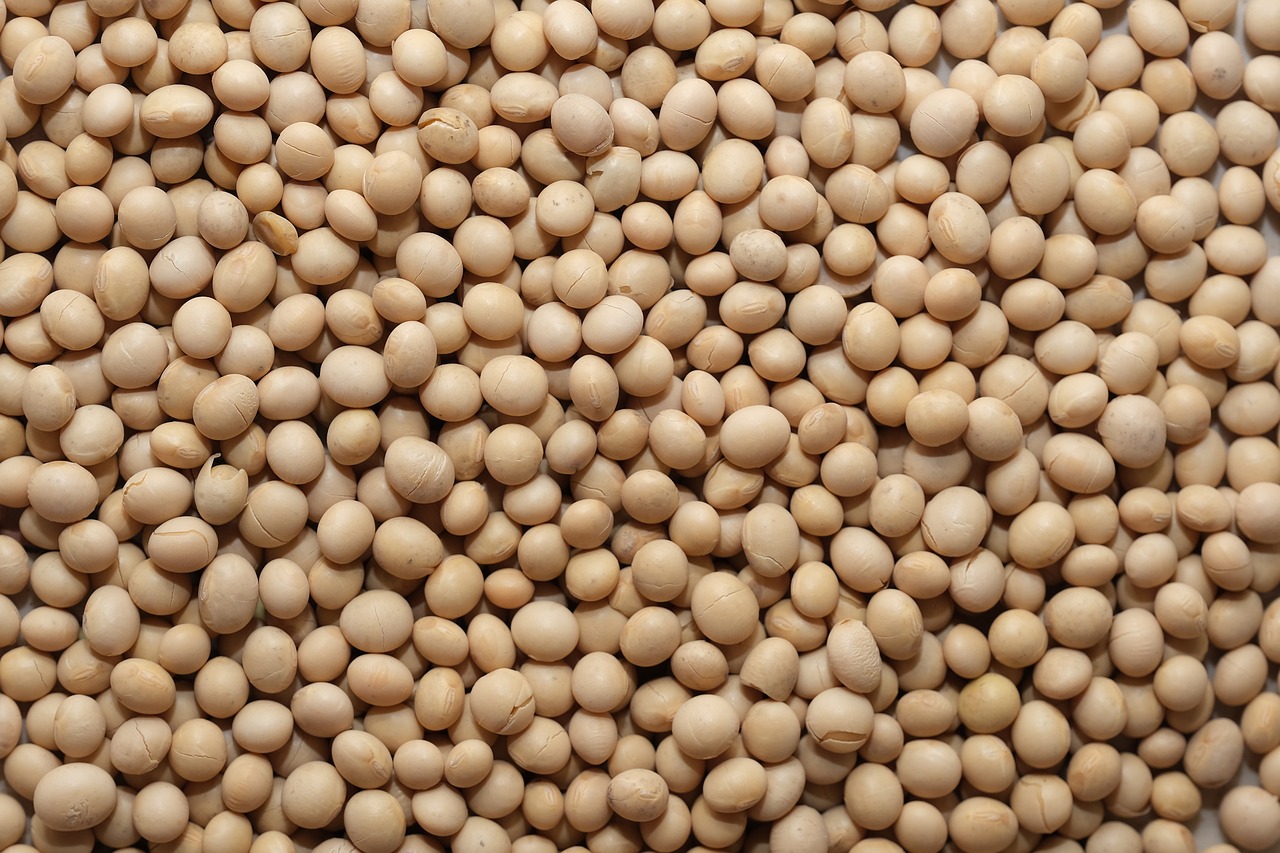
Soybean Exports: Soybean production is anticipated to rise to 5.1 million tonnes, with exports estimated at 2.9 million tonnes, marking a 7% increase from the previous year.
Moldova's Grain and Oilseed Exports
Trade Relations: Moldova has implemented measures to protect local farmers by limiting Ukrainian grain imports while allowing transit to third countries.
Export Dynamics: Moldova's exports to Ukraine amounted to $595.3 million in 2023, indicating a significant trade relationship.
Industry Developments
Regulatory Changes
Export Licensing and Quotas: Ukraine has adopted export licensing and quotas for 2025 to prevent the triggering of EU safeguard measures. These measures aim to regulate the export of grains, oilseeds, and poultry to the EU.
Minimum Export Prices: A new system has been implemented to set minimum export prices for key agricultural products, including grains and oilseeds, to address price distortions caused by the conflict.
Market Challenges
Logistical Constraints: The conflict has disrupted traditional export routes, leading to increased reliance on alternative pathways, including the Danube River and overland routes through neighboring countries. This shift has introduced new logistical challenges and costs.
Security Risks: The ongoing conflict has heightened security risks for exporters, with incidents such as attacks on cargo ships in Ukrainian ports underscoring the dangers associated with maritime trade in the region.
Economic Outlook for 2025
Ukraine's Economic Growth: The Ukrainian economy is projected to grow by 2.7% in 2025, a deceleration from the 3-4% growth anticipated by many analysts.
Agricultural Sector Losses: The Kyiv School of Economics estimates that Ukraine's agricultural sector could incur indirect losses up to $83 billion by the end of 2025 due to the conflict, primarily from reduced harvests and export disruptions.
Conclusion
The grain and oilseed export markets of Ukraine and Moldova are navigating a complex landscape shaped by ongoing conflict, regulatory changes, and logistical challenges. While production levels have seen increases in certain commodities, the overall export outlook for 2025 remains cautious, with significant uncertainties affecting global supply chains and market stability. Stakeholders in the agricultural sector must remain adaptable and informed to navigate the evolving dynamics of the region's export markets.

![[LOGO] Black Sea Brokers (UK) - Grain Brokerage Services](../images/BSB_UK_Logo-1.png)
![[LOGO] Valetime Group (UK)](../images/vtg_txt_logo.png)